Medically reviewed by Dr. Pritee Sharma, Consultant Vascular & Endovascular Surgeon · Last reviewed 10 August 2026.
What exactly is pelvic congestion syndrome?+
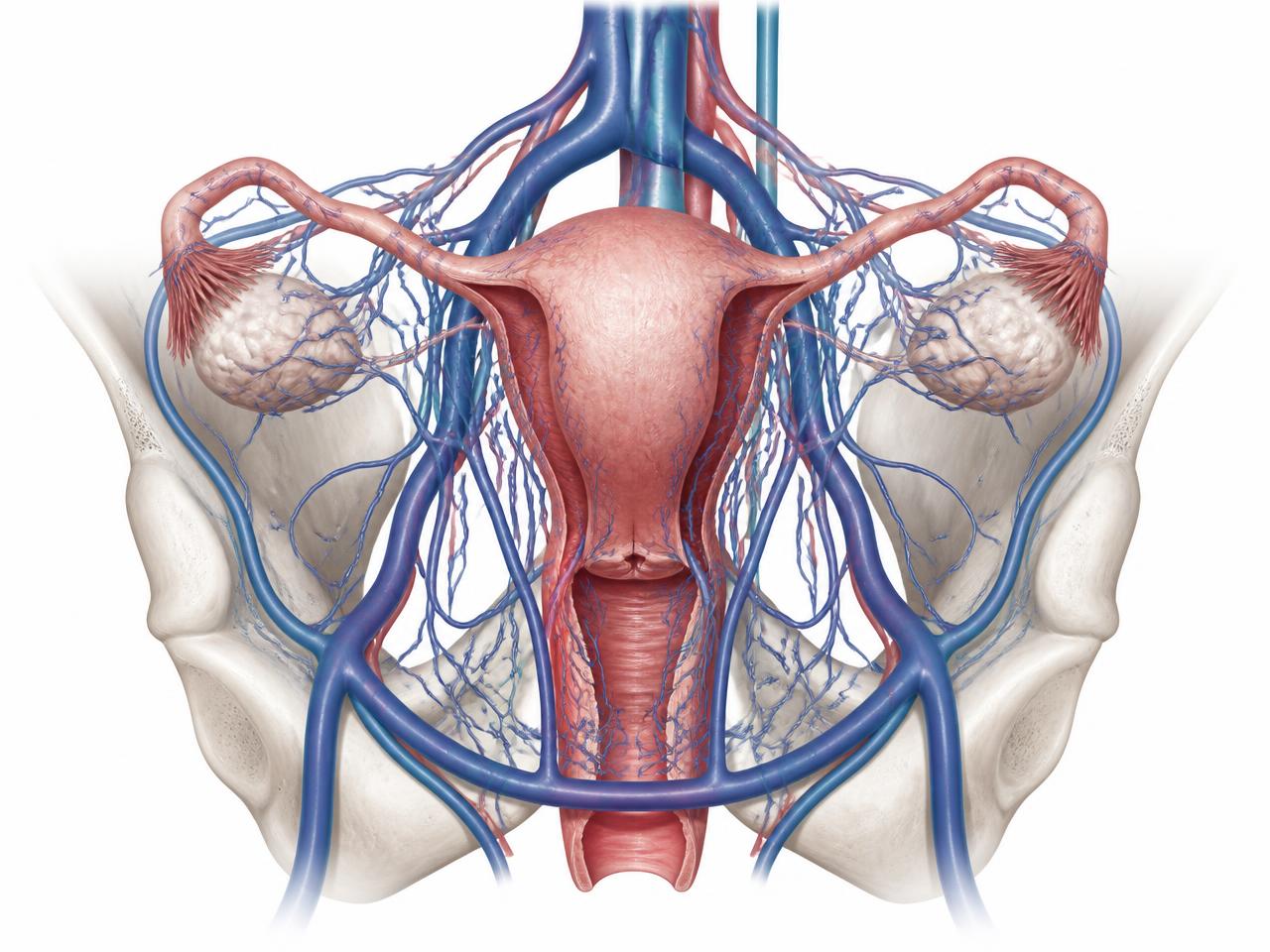
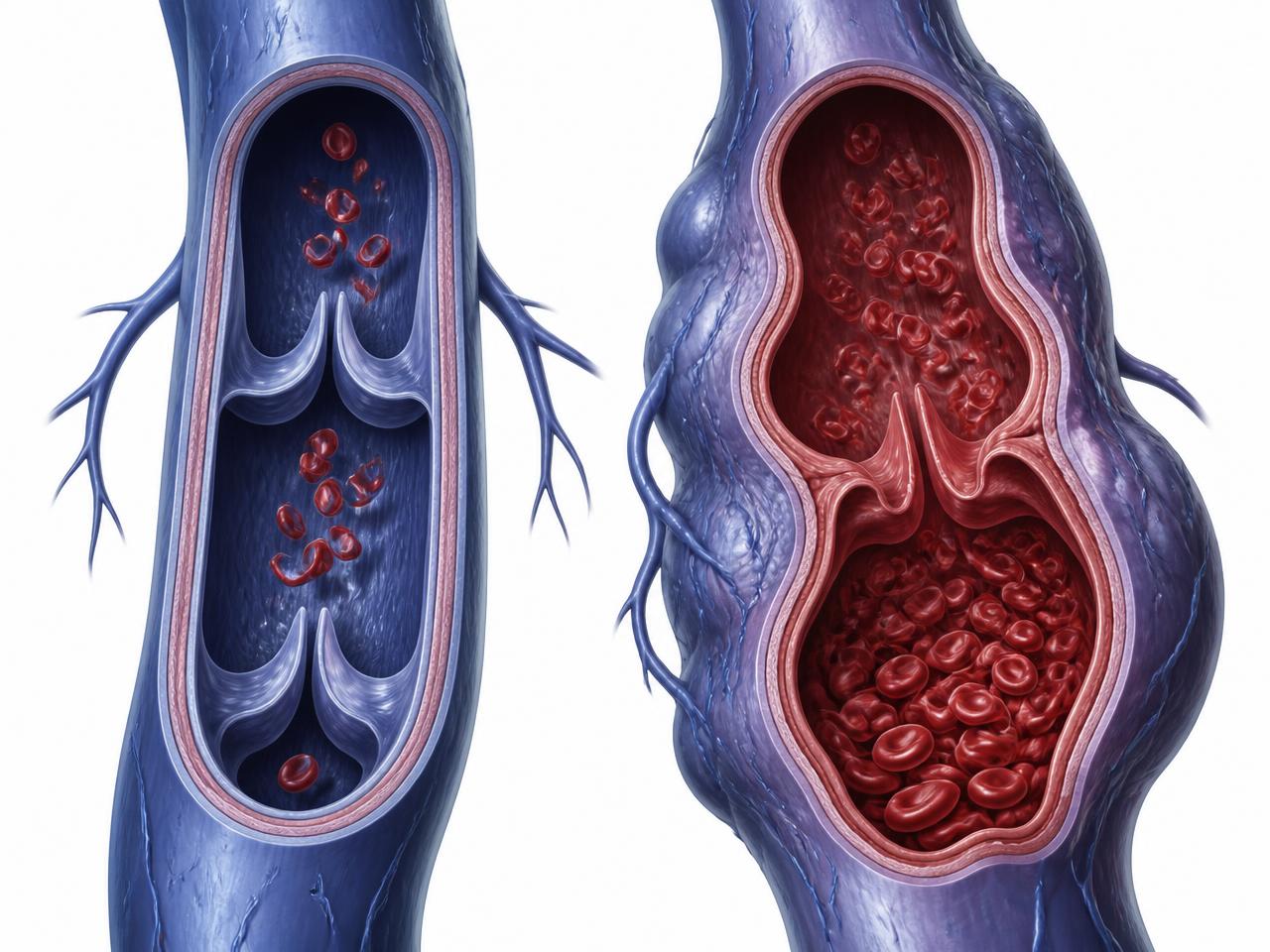
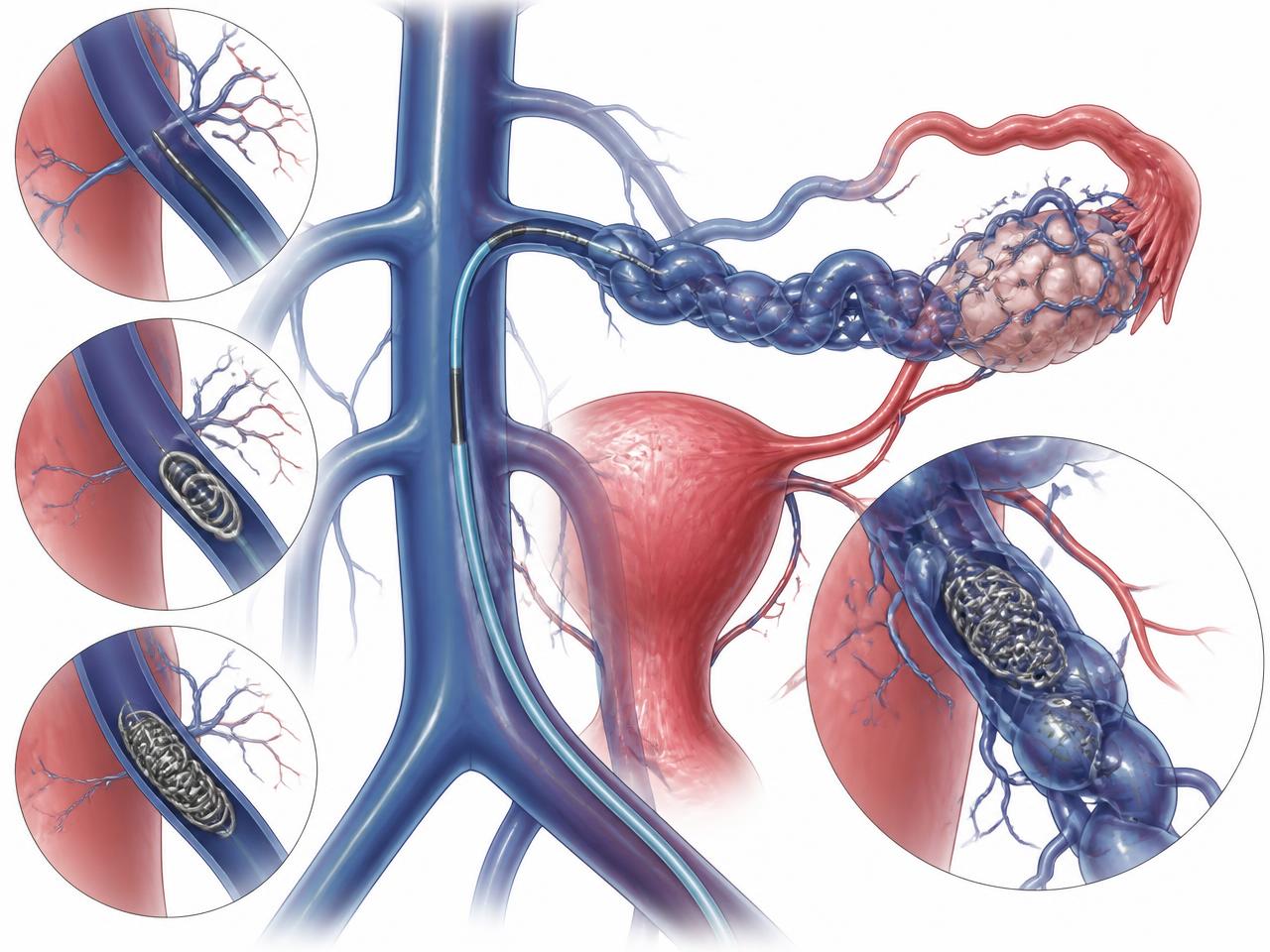
Pelvic congestion syndrome (PCS) is chronic pelvic pain caused by dilated, incompetent veins around the uterus and ovaries. The one-way valves in the ovarian and pelvic veins fail, blood flows backwards and pools, and the stretched veins produce a heavy, dragging ache that worsens through the day.
How common is pelvic congestion syndrome?+
Venous congestion is considered one of the more frequent causes of chronic pelvic pain in women of reproductive age, and is thought to account for a substantial share of cases where laparoscopy finds no explanation. It remains under-diagnosed because it is rarely looked for.
Is pelvic congestion syndrome the same as varicose veins?+
It is the same disease process in a different location. The valves fail, pressure rises and the vein dilates — in the legs you can see the result, in the pelvis you can only feel it. This is why women with pelvic congestion often also have leg, vulval or buttock varicosities.
Why do my varicose veins keep coming back after leg treatment?+
Recurrent leg or vulval veins after technically successful treatment are a strong clue that the source lies higher, in the pelvis. Unless the refluxing pelvic vein is treated, it keeps refilling the leg veins. Any woman with recurrent veins deserves a pelvic venous assessment.
Does pregnancy cause pelvic congestion syndrome?+
Pregnancy is the single biggest contributor. Pelvic vein diameter increases markedly to support the pregnancy and hormonal changes soften the vein wall. In most women this reverses; in some the veins remain dilated and the valves never work properly again, which is why symptoms often begin after a second or third pregnancy.
Which tests confirm the diagnosis?+
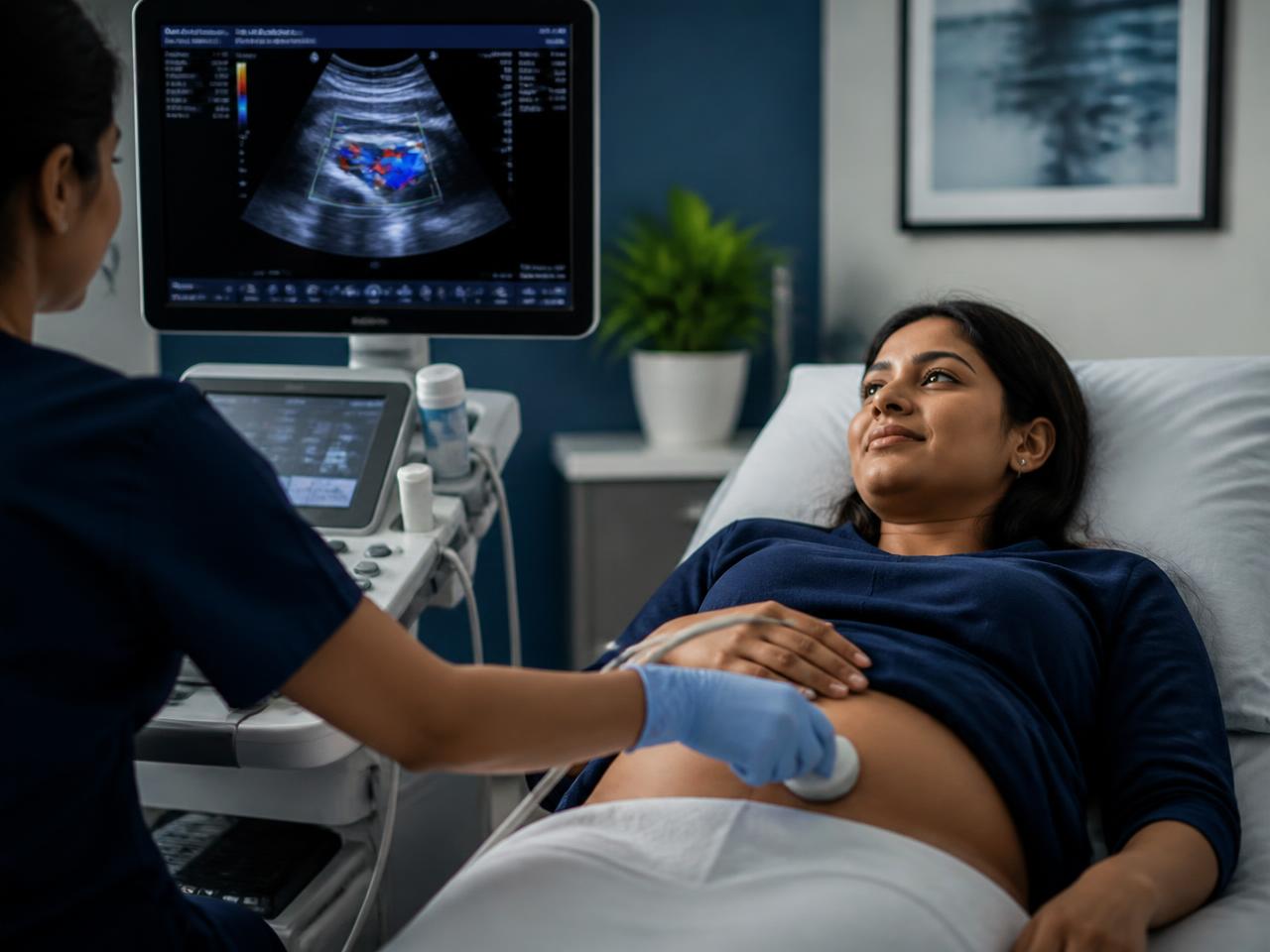
A targeted Doppler ultrasound is usually the first test, supported by transvaginal ultrasound where appropriate and CT or MR venography for the full venous map. Catheter pelvic venography is the reference standard and allows treatment in the same sitting.
My pelvic scan was reported normal. Could I still have PCS?+
Yes. A routine scan performed lying flat, without Valsalva manoeuvre and without specifically measuring the ovarian veins, can miss significant reflux. The scan has to be designed to answer the venous question.
What is ovarian vein embolization?+
It is a minimally invasive, image-guided procedure in which the faulty ovarian and pelvic veins are permanently sealed from inside using micro-coils and sometimes a sclerosant, through a pinhole vein puncture. There is no surgical incision, and blood is simply redirected into healthy veins.
Is the procedure painful?+
The vein puncture is numbed with local anaesthetic and light sedation keeps you comfortable. Most patients describe pressure rather than pain during the procedure. A cramping ache for a few days afterwards is expected and is controlled with oral medication.
How long does recovery take?+
It is a day-care procedure. You are usually discharged the same evening, back at desk work within two to three days, and cleared for the gym at around two to four weeks. Symptom relief builds gradually over four to twelve weeks.
How successful is embolization?+
In correctly selected patients, meaningful and lasting improvement in pelvic pain is reported in roughly 75 to 85 percent of cases. Careful patient selection — confirming that the veins, and not another condition, are driving the pain — is what determines the outcome.
Will embolization affect my fertility or hormones?+
The procedure closes an abnormal drainage vein, not the ovarian artery or the ovary itself. Ovarian blood supply and hormone production are preserved, periods continue normally, and pregnancy after embolization is well described. Always tell your doctor if you are planning a pregnancy so timing and imaging can be adjusted.
Will it push me into early menopause?+
No. Embolization does not remove or devascularise the ovaries and is not associated with early menopause. Hormone-related symptoms after the procedure usually have another explanation and should be reviewed.
What are the risks?+
Risks are low but real and are discussed in detail before consent: bruising at the puncture site, post-embolization cramping, transient nausea, contrast reaction, coil migration (uncommon), and rarely infection or vein thrombosis. Radiation dose is kept as low as reasonably achievable.
Can the veins come back after treatment?+
The treated segment is permanently closed. Occasionally, other pelvic vein branches — most often the internal iliac tributaries — become symptomatic later and can be treated in a second, short session. This is why structured follow-up matters.
Do I need to stop working or arrange help at home?+
Plan for two to three quiet days. Most women in Hyderabad take the procedure day and the following day off, avoid heavy lifting for a fortnight, and continue normal household activity from the second day.
Can PCS and endometriosis exist together?+
Yes, and they frequently do. If your endometriosis has been treated but pain that is worse on standing and after intercourse persists, a venous assessment is reasonable. Treating both conditions in a coordinated way gives the best result.
Is there any non-procedural treatment that helps?+
Compression support, structured walking, leg and hip elevation, venoactive medication, analgesia and pelvic floor physiotherapy all help symptoms, and are the right starting point for mild disease or where a procedure is not currently preferred. They control symptoms rather than correct the vein.
What does treatment cost in Hyderabad, and does insurance cover it?+
Cost depends on whether one or both sides are treated, the number of coils used and the hospital category; the consultation and Doppler assessment are a small fraction of the total. Because PCS is a recognised medical condition, many insurance policies do consider ovarian vein embolization. Our team provides a written estimate and helps with pre-authorisation before you commit.
Which doctor treats pelvic congestion syndrome?+
A vascular and endovascular surgeon or interventional radiologist with dedicated pelvic venous experience, working alongside your gynaecologist. Dr. Pritee Sharma is a Consultant Vascular and Endovascular Surgeon and DNB Gold Medalist in Hyderabad with extensive experience in minimally invasive venous procedures.
When should I seek an urgent review?+
See a doctor promptly for sudden severe pelvic pain, fever with pain, heavy abnormal bleeding, a rapidly swollen or painful leg, or pain associated with fainting. These need immediate assessment rather than an outpatient appointment.
How do I book a pelvic vein assessment?+
Call the clinic, message us on WhatsApp, or use the appointment form on the contact page. Bring any previous scans, laparoscopy reports and a short diary of when your pain is worst — it makes the first consultation far more productive.