Frequently Asked Questions About Pelvic Congestion Syndrome
Answers to the questions women in Hyderabad most often ask about pelvic congestion syndrome, from diagnosis and fertility safety to recovery, costs, and when to seek urgent care.
Pelvic congestion syndrome is one of the most under-diagnosed causes of chronic pelvic pain in women, and in our practice at Renova Century Hospital we find that patients arrive with dozens of questions that have gone unanswered for years, sometimes after multiple normal scans and inconclusive consultations elsewhere. This article gathers the questions we hear most often in clinic and during video consultations, and answers them in plain language. It is not a substitute for an individual consultation, but it should help you understand what pelvic congestion syndrome is, how it is diagnosed and treated, and what to expect if you and your doctor decide that ovarian vein embolization is the right path for you.
What exactly is pelvic congestion syndrome?
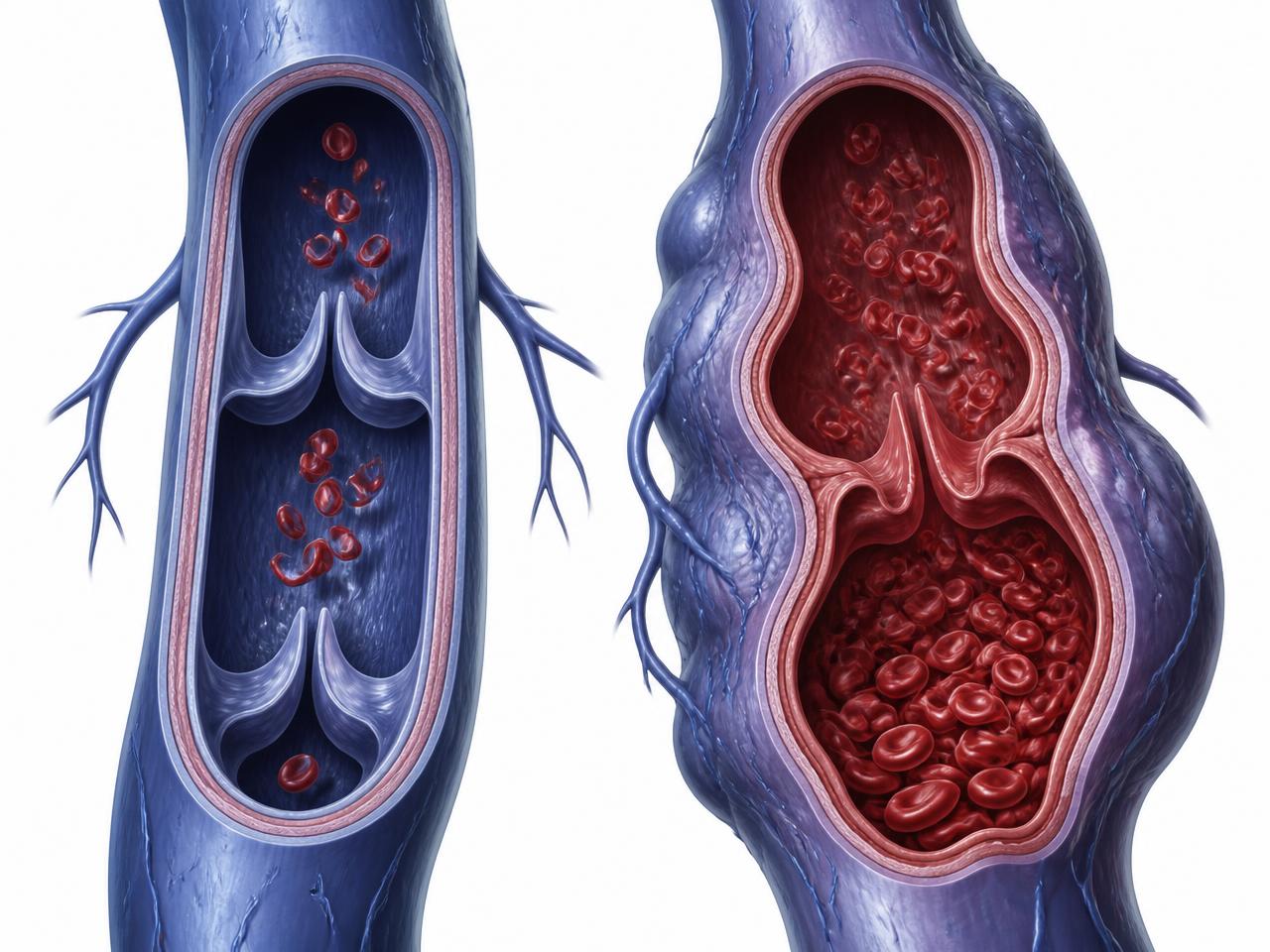
Pelvic congestion syndrome occurs when the ovarian veins or internal iliac veins become dilated and their valves fail to close properly, allowing blood to pool backward instead of draining normally toward the heart. This pooling raises pressure within the pelvic venous network, producing a dull, dragging ache that is often worse by evening, after standing for long periods, or during and after intercourse. It behaves very much like varicose veins in the legs, except the abnormal veins lie deep within the pelvis rather than under the skin, which is exactly why it is missed so often on routine examination.
Who is most likely to develop pelvic congestion syndrome?
It occurs most commonly in women who have had two or more pregnancies, since pregnancy substantially increases pelvic venous volume and can permanently stretch vein walls and damage their one-way valves. It is more frequent between the ages of twenty and forty-five, tends to run a hormonally sensitive course that can worsen premenstrually, and is seen more often in women whose work involves long hours of standing. A family history of varicose veins or venous insufficiency also raises the likelihood, since vein wall weakness often has a hereditary component.
How is pelvic congestion syndrome different from ordinary period pain?
Ordinary dysmenorrhoea is typically confined to the days of menstruation and responds reasonably well to standard pain relief. Pelvic congestion pain, in contrast, is usually present on most days of the month, worsens as the day progresses, is aggravated by standing, lifting, or sexual intercourse, and often persists even after menstrual periods end for the cycle. Many women describe it as a heaviness or fullness rather than a sharp cramp, and it may be accompanied by visible varicose veins over the vulva, inner thigh, or buttock.
What symptoms besides pelvic pain should prompt me to consider this diagnosis?
Look out for a constant dull ache or heaviness in the lower abdomen or pelvis lasting more than six months, pain that worsens after prolonged standing and improves when lying down, deep pain during or after intercourse known as dyspareunia, visible varicose veins around the vulva or upper inner thigh, lower back ache that has no clear orthopaedic explanation, and a sensation of pelvic fullness that some women describe as feeling like they are sitting on a small ball. Not every woman has every symptom, and severity varies considerably from one cycle to the next.
Can pelvic congestion syndrome affect my ability to conceive?
Pelvic congestion syndrome itself does not directly cause infertility, and the diagnosis is not typically linked to reduced egg quality or ovulatory dysfunction. However, the chronic pain and discomfort it causes can make intercourse difficult or infrequent, which indirectly affects the chances of natural conception. There is no established evidence that having the condition, or treating it with embolization, changes fertility potential in either direction, which is reassuring for women who are still planning a family.
Is ovarian vein embolization safe if I want to have children afterward?
Yes. Ovarian vein embolization targets only the abnormal, refluxing veins that drain the ovary, not the ovarian artery or the ovarian tissue itself, and normal venous drainage continues through healthy collateral channels. We have performed this procedure in women who went on to conceive successfully afterward, and the procedure does not remove the ovary, damage the uterus, or interfere with the fallopian tubes. That said, we always discuss individual fertility plans before treatment, and in women actively trying to conceive within the following few months we sometimes adjust timing in coordination with their gynaecologist.
Will treating pelvic congestion syndrome affect my hormones or menstrual cycle?
Ovarian vein embolization does not involve the ovarian tissue that produces hormones, so oestrogen and progesterone production continue normally afterward. Most women notice no change to their menstrual cycle length, flow, or regularity following treatment. Any temporary spotting or cycle irregularity in the month immediately after the procedure is usually related to the pelvic manipulation and inflammation rather than a hormonal effect, and it settles within one or two cycles.
How is pelvic congestion syndrome diagnosed?
Diagnosis begins with a careful history and pelvic examination, followed by transvaginal ultrasound with Doppler, which can show dilated, tortuous pelvic veins and reversed flow, particularly if performed with the patient partly upright since congestion is often worse in that position. When ultrasound findings are suggestive but not conclusive, we proceed to a CT or MR venogram, which gives a detailed three-dimensional map of the ovarian and internal iliac veins. In some cases the definitive diagnosis is made only during a diagnostic pelvic venogram performed at the time of the planned procedure, since this allows us to measure venous pressures directly.
Do I need an internal ultrasound probe for diagnosis, and is it uncomfortable?
Transvaginal ultrasound is the most sensitive non-invasive test for pelvic congestion syndrome, and while the idea of an internal probe can feel intrusive, the scan itself is quick, generally well tolerated, and no more uncomfortable than a routine gynaecological ultrasound. We always explain each step beforehand, and you are welcome to have a family member present in the waiting area. For women who strongly prefer to avoid a transvaginal scan, CT or MR venography is a reasonable alternative starting point.
What is ovarian vein embolization?
Ovarian vein embolization is a minimally invasive, image-guided procedure in which a thin catheter is introduced through a small puncture in the neck or groin vein and guided under X-ray guidance into the abnormal ovarian vein. Once positioned, tiny coils, a sclerosant, or a combination of both are deployed to permanently close off the faulty vein, stopping the backward flow of blood that causes congestion. Blood then reroutes through healthy pathways, and pressure in the pelvic venous network falls, which is what relieves the pain over the following weeks.
How long does the embolization procedure take?
Most ovarian vein embolization procedures take between forty-five minutes and ninety minutes, depending on whether one or both ovarian veins need treatment and whether internal iliac vein branches also require attention. Bilateral procedures naturally take longer than one-sided treatment. You will typically spend a few additional hours in the day-care unit before and after the procedure for preparation and monitoring.
What kind of anaesthesia is used?
The procedure is usually performed under local anaesthesia at the puncture site combined with mild intravenous sedation to keep you relaxed and comfortable throughout. General anaesthesia is rarely required. Most women are surprised at how little discomfort they feel during the procedure itself, since the pelvic veins themselves do not have significant pain-sensitive nerve endings, though you may feel mild pressure or warmth as contrast dye is injected.
Is the procedure performed as day care or does it need hospital admission?
Ovarian vein embolization is typically performed as a day-care procedure. Most women are observed for four to six hours after the procedure and discharged home the same evening, provided there are no complications and vital signs remain stable. A small proportion of patients, particularly those undergoing more extensive bilateral treatment or those who live far from Hyderabad, may prefer a single overnight stay for comfort and closer monitoring, which we are happy to arrange.
How much radiation exposure is involved, and is it safe?
The procedure uses fluoroscopic X-ray guidance, and modern low-dose imaging protocols keep radiation exposure to a level comparable to a small number of standard diagnostic X-rays, well within accepted safety limits for a one-time therapeutic procedure. We use pulsed fluoroscopy, appropriate shielding, and the shortest screening time necessary to complete the procedure safely. If you have any possibility of pregnancy, please inform us beforehand, as we will confirm a negative pregnancy test before proceeding, since ionising radiation is avoided during pregnancy except in emergencies.
What does the recovery period feel like?
Most women experience mild to moderate crampy pelvic discomfort for the first three to five days, similar to period cramps, along with occasional lower back ache. This is usually well controlled with the pain medication we prescribe. A minority of patients experience what is called post-embolization syndrome, a combination of low-grade fever, fatigue, and generalised aching that typically peaks around day two or three and resolves within a week. Full return to normal pelvic comfort and disappearance of the original congestion pain generally takes four to six weeks, since the body needs time to reroute blood flow and for inflammation to settle.
What is post-embolization syndrome and should I be worried about it?
Post-embolization syndrome is a well-recognised, self-limiting response of the body to the closure of blood vessels, and it is not the same as an infection or a complication. It typically presents as mild fever under thirty-eight point five degrees Celsius, tiredness, nausea, and generalised pelvic ache lasting three to seven days. We prescribe anti-inflammatory medication and antiemetics in advance to reduce its severity, and we ask patients to monitor their temperature at home so we can distinguish this normal reaction from a true infection, which would need urgent attention.
What pain medication will I need after the procedure?
We typically prescribe a short course of paracetamol combined with a mild anti-inflammatory medication, to be taken regularly for the first three to five days rather than only when pain becomes severe, since staying ahead of the discomfort works better than chasing it. Most women no longer need any pain medication by the end of the first week. If pain is not adequately controlled with the prescribed medication, please contact the clinic rather than increasing the dose on your own.
When can I resume driving after ovarian vein embolization?
We generally advise against driving for at least twenty-four to forty-eight hours after the procedure because of residual sedation and the puncture site healing in the groin or neck. Most women can safely resume driving within two to three days once they feel fully alert and can move comfortably without pelvic discomfort limiting their reactions.
When can I go back to work?
Women with desk-based or predominantly sedentary jobs often return to work within three to five days. Those whose work involves prolonged standing, lifting, or significant physical exertion should plan for one to two weeks off, since standing tends to increase pelvic venous pressure during the early healing phase and can aggravate discomfort unnecessarily.
When is it safe to exercise again?
Light walking is encouraged from the very first day after the procedure, as gentle movement supports circulation and reduces the risk of clots. Structured exercise such as yoga, swimming, or gym workouts should generally wait about two weeks, and high-impact activity, heavy weightlifting, or intense core exercises are best deferred for three to four weeks, or until your follow-up review confirms the puncture site and pelvic veins have healed well.
When can I resume sexual intercourse?
We generally advise waiting at least two weeks before resuming intercourse, both to allow the puncture site to heal fully and to give pelvic venous pressure time to settle, since intercourse can otherwise aggravate the mild inflammation present during early recovery. Many women choose to wait slightly longer, until their pelvic pain has clearly improved, which is a very reasonable and individual decision.
Is it safe to travel, including flying, soon after the procedure?
Short journeys by car or train are fine within the first week provided you can sit comfortably. For air travel, we recommend waiting at least one to two weeks after the procedure, since prolonged sitting during flights can slightly increase the risk of blood clotting in the legs during the early recovery period. If travel is unavoidable sooner, wearing compression stockings and taking short walking breaks during the journey helps reduce this risk.
Will the pelvic congestion come back after treatment?
Recurrence after ovarian vein embolization is uncommon when the procedure is performed thoroughly and all significant refluxing veins, including internal iliac branches when relevant, are addressed in the same setting. Some women do develop new areas of venous reflux over subsequent years, particularly after another pregnancy, which can require a limited repeat procedure. Overall, published clinical experience and our own long-term follow-up show that most women experience durable, substantial improvement in pain after a well-planned embolization.
What follow-up imaging or visits will I need?
We typically schedule a clinical review at two weeks to check the puncture site and assess early symptom improvement, followed by a further review at six to eight weeks to evaluate overall response, often supported by a follow-up ultrasound. Beyond that, most women are seen at three to six months and then on an as-needed basis. Routine repeat venography is not required unless symptoms persist or recur.
Are there non-surgical treatments I should try before considering embolization?
Yes, and we routinely start with conservative measures for women with mild to moderate symptoms, including graduated compression garments designed for pelvic support, regular low-impact exercise, weight optimisation, and medications that reduce venous congestion such as certain phlebotonic agents. Hormonal treatments are sometimes used by gynaecologists to suppress ovarian venous congestion, though effects vary between individuals. Embolization is generally reserved for women whose symptoms are significant, persistent, and confirmed on imaging to be due to venous reflux, or for those who have not achieved adequate relief with conservative measures.
What are the risks and possible complications of ovarian vein embolization?
Ovarian vein embolization is a well-established, generally safe procedure, but like any medical intervention it carries some risk. These include bruising or a small haematoma at the puncture site, transient post-embolization syndrome as described above, rare coil migration, and a very small risk of infection or allergic reaction to the contrast dye used during imaging. Serious complications are uncommon in experienced hands, and we discuss your individual risk profile in detail during the consent process before the procedure.
How much does ovarian vein embolization cost in Hyderabad?
As an indicative range, ovarian vein embolization performed at a private hospital in Hyderabad typically costs between one lakh forty thousand and two lakh eighty thousand rupees, depending on whether one or both ovarian veins are treated, whether internal iliac branches also require embolization, the type and number of coils or sclerosant used, and whether an overnight stay is required. This figure usually includes the procedure, day-care or short-stay hospital charges, and immediate post-procedure medication, but it can vary based on individual anatomy and any additional imaging required. We recommend confirming a personalised estimate at consultation, since costs are quoted transparently before any procedure is scheduled.
Will my health insurance cover this treatment?
Many health insurance policies in India do cover ovarian vein embolization when it is performed for a medically documented diagnosis of pelvic congestion syndrome with supporting imaging, since it is classified as a therapeutic vascular procedure rather than a cosmetic one. Coverage details vary between insurers and individual policies, particularly regarding day-care procedure clauses, so we advise checking your policy wording and, where needed, our billing team can help you with the necessary medical documentation for pre-authorisation.
What warning signs after the procedure should prompt me to call the doctor urgently?
You should contact the clinic immediately if you develop a fever above thirty-eight point five degrees Celsius that does not settle with paracetamol, increasing redness, warmth, swelling, or discharge at the puncture site, severe or worsening pelvic pain not controlled by prescribed medication, heavy vaginal bleeding, sudden shortness of breath or chest pain, or swelling and pain in one leg, since the last two symptoms can occasionally indicate a blood clot and need prompt evaluation. Do not wait for your scheduled follow-up appointment if any of these occur; call the clinic or visit the emergency department without delay.
How do I choose the right specialist for pelvic congestion syndrome in Hyderabad?
Pelvic congestion syndrome sits at the intersection of gynaecology and vascular medicine, so it is important to be evaluated by a specialist who is comfortable both diagnosing pelvic venous disease on imaging and performing the endovascular treatment itself, rather than being referred back and forth between departments. Dr. Pritee Sharma is a DNB gold medalist vascular and endovascular surgeon with more than twenty-one years of experience, and her work on pelvic congestion syndrome awareness has been featured in the Times of India, reflecting her focus on bringing recognition to this frequently missed condition among Indian women.
Where can I learn more or book a consultation?
If you recognise these symptoms in yourself, we encourage you to visit our dedicated Pelvic Vein Clinic page at /pelvic-vein-clinic, which explains the full diagnostic and treatment pathway offered at Renova Century Hospital, Banjara Hills, including the typical sequence of consultation, targeted imaging, and, where appropriate, minimally invasive treatment planning discussed with you at every step. You can read more about Dr. Pritee Sharma's training and experience at /about-dr-pritee-sharma, and if you also have visible varicose veins in the legs alongside pelvic symptoms, our page on /services/varicose-veins-treatment-hyderabad describes how the two conditions are sometimes connected through shared venous insufficiency. To book an appointment or ask a specific question before your visit, please reach out through /contact, and our team will guide you on the next steps.
Is there anything I can do at home to reduce symptoms while waiting for my appointment?
While waiting for evaluation, avoiding prolonged standing, elevating your legs when resting, wearing supportive compression garments if you already have them, and using simple anti-inflammatory pain relief as needed can all provide some temporary comfort. These measures do not replace a proper diagnosis and treatment plan, but they can make the interim period more bearable while your appointment and any necessary imaging are being arranged.
- Varicose Veins Treatment in Hyderabad
- Peripheral Artery Disease Treatment
- Diabetic Foot Care Specialist
- DVT Treatment in Hyderabad
- Angioplasty for Blocked Leg Arteries
- Carotid Surgery — Stroke Prevention
- Venous Stenting for Chronic Leg Swelling
- AV Fistula Creation for Dialysis
- EVAR — Endovascular Aneurysm Repair
- TEVAR — Thoracic Aortic Repair
- About Dr. Pritee Sharma
- Vascular surgery FAQs