Pelvic Congestion Syndrome: Symptoms Every Woman Should Know
A detailed guide to recognising pelvic congestion syndrome, how its symptom pattern differs from endometriosis, fibroids and pelvic floor issues, and when to seek a vascular evaluation.
A Pain That Is Often Dismissed
Pelvic congestion syndrome is one of the more overlooked causes of chronic pelvic pain in women, largely because its symptoms mimic so many other conditions and it does not typically show up on a routine pelvic ultrasound done for gynaecological reasons.
Many women who eventually receive this diagnosis describe a long journey of being told their scans are normal, being reassured that the pain is likely stress-related, or being treated repeatedly for suspected infections or ovarian cysts without lasting relief.
Understanding the specific symptom pattern of pelvic congestion syndrome can help women recognise it earlier and ask the right questions when they see a doctor, rather than accepting years of unexplained discomfort.
What Causes Pelvic Congestion Syndrome
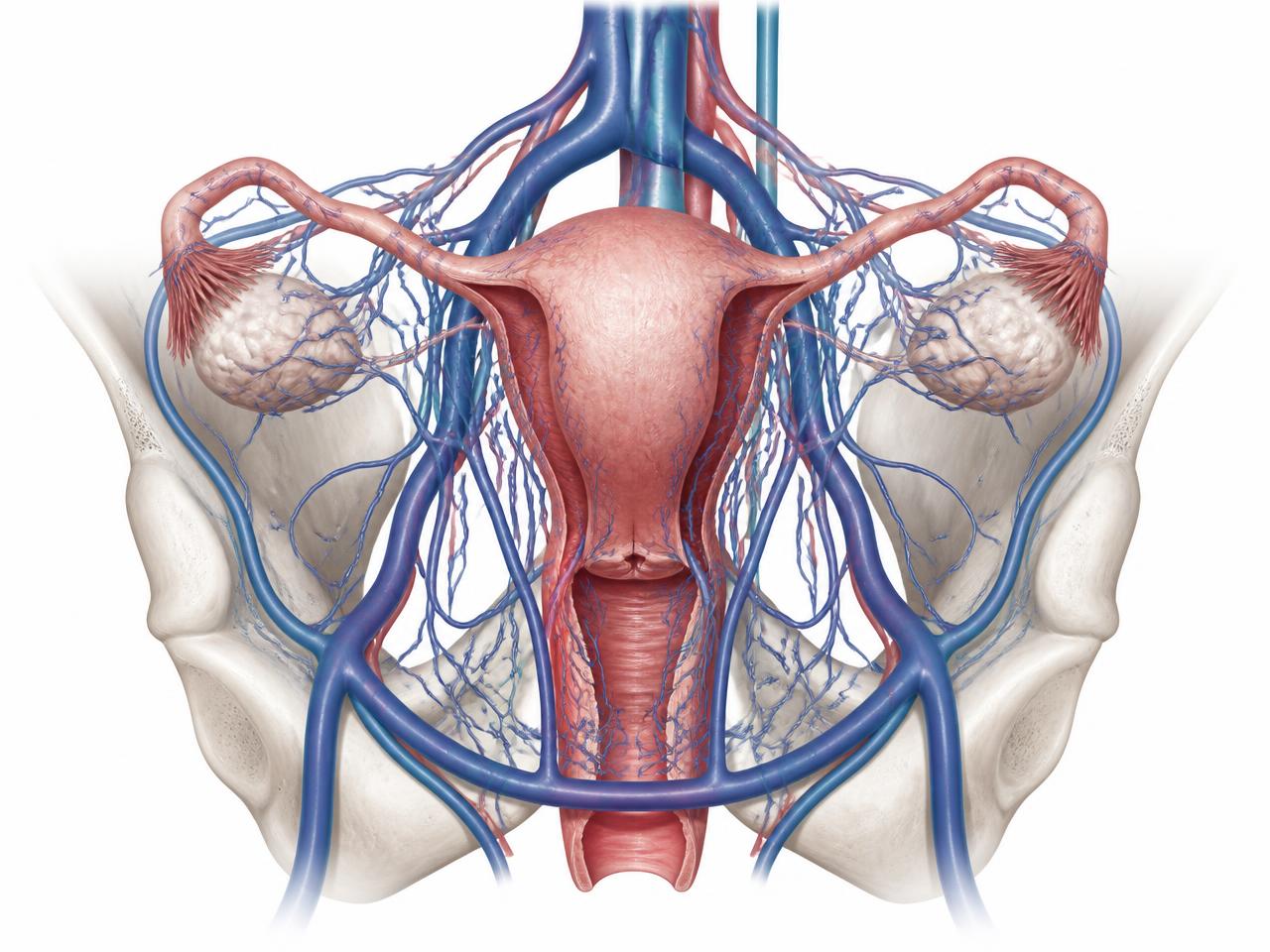
The condition develops when the ovarian veins, and sometimes the internal iliac veins, become dilated and their internal valves stop closing properly. Normally these valves keep blood moving upward against gravity toward the heart; when they fail, blood pools backward into the pelvis, particularly when a woman is upright or standing for long periods.
Pregnancy is a major contributing factor because the growing uterus increases pressure on pelvic veins and pregnancy hormones relax vein walls, and the risk tends to rise with each additional pregnancy. Other contributing factors include a family history of varicose veins, prior pelvic surgery, and hormonal conditions that affect vein wall strength.
Symptom One: The Dragging, Heavy Pelvic Ache
The hallmark symptom is a dull, heavy, dragging ache low in the pelvis, often described as a feeling of fullness or downward pressure rather than a sharp pain. It is typically bilateral, though it can be more pronounced on one side, and unlike cramping from a period, it tends to be present most days rather than only around menstruation.
Symptom Two: Worse With Standing, Better Lying Down
A very characteristic feature of pelvic congestion pain is that it worsens through the day, especially with prolonged standing, walking, or sitting upright, and improves significantly when the woman lies down and elevates her legs. This postural pattern is one of the clearest clues that distinguishes it from most gynaecological causes of pelvic pain, which do not typically respond to changes in position in the same predictable way.
Symptom Three: Worse Premenstrually and With Prolonged Standing at Work
Many women notice their pain intensifies in the week before their period, likely related to hormonal changes that further relax vein walls and increase pelvic blood flow. Women in occupations that involve standing for long stretches, such as teaching, nursing, or retail work, often report their symptoms are noticeably worse on long working days compared with days spent mostly seated or resting.
Symptom Four: Pain During or After Intercourse
Deep pain during intercourse, sometimes persisting for hours or even into the following day, is a common and often distressing symptom of pelvic congestion syndrome. This is different from pain at the entrance during intercourse, which usually has a different, non-venous cause; the deep, pressure-like discomfort associated with pelvic congestion is thought to relate to increased venous engorgement during arousal on top of an already congested venous bed.
Symptom Five: Visible Varicose Veins in Unusual Places
Some women notice visible varicose veins around the vulva, inner thigh, buttock, or back of the leg that do not fit the typical pattern of ordinary leg varicose veins. These atypical-location varicosities are a strong clue that the underlying source may be pelvic rather than purely in the leg veins themselves, and they often become more prominent during pregnancy.
Symptom Six: Lower Backache and a Feeling of Pelvic Heaviness
A dull lower backache that does not clearly relate to posture, lifting, or a musculoskeletal injury can also be part of the picture, along with a general sensation that something is 'hanging' or 'heavy' in the pelvis, sometimes described by patients as feeling like they need to sit down and support themselves.
Symptom Seven: Urinary Urgency Without Infection
Some women with pelvic congestion syndrome describe a sense of urinary urgency or frequency that persists despite negative urine cultures, likely related to pressure from engorged pelvic veins on the bladder and surrounding structures. This symptom in particular is frequently misattributed to recurrent urinary tract infection when actual infection has been ruled out repeatedly.
- Dull, dragging pelvic ache present most days, not just around periods
- Pain that worsens through the day and with standing, improves lying flat
- Symptoms flaring in the week before menstruation
- Deep pain during or after intercourse lasting hours
- Varicose veins around the vulva, groin, thigh or buttock
- Unexplained lower backache and a sense of pelvic heaviness
- Urinary urgency with repeatedly negative urine tests
- Symptoms that improve on holiday or during periods of rest and worsen after long travel or standing
Beyond the core symptom list, some women also notice cyclical bloating, a sensation of pelvic fullness that worsens after long flights or car journeys, and a subtle ache that flares after standing for a religious or family function, all consistent with the same postural venous mechanism rather than a new problem each time.
It also helps to know that pelvic congestion syndrome symptoms are frequently asymmetric, being felt more on the left side than the right in many women, which correlates with the anatomical tendency of the left ovarian vein to be more prone to dilation and reflux than the right, owing to the angle at which it joins the left renal vein.
Family history is a useful clue too: women whose mothers or sisters have had prominent varicose veins in the legs, or who themselves developed visible leg varicosities during pregnancy, have a statistically higher chance of also having incompetent pelvic veins, since the underlying tendency toward weak vein walls and faulty valves tends to run in families and affect multiple venous territories rather than staying confined to one part of the body.
How This Differs From Endometriosis
Endometriosis pain is classically most severe around and during menstruation, often accompanied by heavy or painful periods, and can be associated with painful bowel movements during menstruation, whereas pelvic congestion pain tends to be more constant, positional, and less tightly linked to the exact days of bleeding.
It is also worth noting that the two conditions can coexist, so a diagnosis of endometriosis on laparoscopy does not automatically rule out a contributing venous component, particularly if pain persists despite adequate treatment of the endometriosis itself.
How This Differs From Fibroids and Ovarian Cysts
Fibroids typically cause heavy menstrual bleeding, pelvic pressure related to the size and position of the fibroid, and sometimes bladder or bowel pressure symptoms depending on where the fibroid sits, while ovarian cysts more often cause a one-sided, sometimes sharper pain that can come on suddenly if a cyst twists or ruptures.
Both of these conditions are usually visible on a standard pelvic ultrasound, which is precisely why women with normal ultrasound findings and persistent pelvic pain deserve a specific evaluation for venous causes rather than being told nothing is wrong.
How This Differs From Musculoskeletal Pelvic Floor Pain
Pelvic floor muscle dysfunction, which is common after childbirth, tends to produce pain that is reproducible on physical examination by pressing on specific muscle groups, and often responds at least partially to pelvic floor physiotherapy. Pelvic congestion pain, by contrast, is less reproducible by direct palpation of muscles and is more clearly tied to posture and time of day, though the two conditions frequently overlap in postpartum women and may need to be treated together.
When to Suspect Pelvic Congestion Syndrome Specifically
A reasonable rule of thumb is to consider pelvic congestion syndrome when chronic pelvic pain has lasted more than six months, standard gynaecological investigations including ultrasound have come back essentially normal, the pain has a clear postural component, and there is a history of one or more pregnancies.
It is also reasonable to raise the possibility even earlier if visible atypical varicose veins are present, or if there is a strong personal or family history of varicose veins in the legs, since venous wall weakness tends to be a systemic tendency rather than something confined to one part of the body.
How the Diagnosis Is Actually Confirmed
The first-line imaging test is a transvaginal ultrasound with Doppler, which can identify dilated pelvic veins, sluggish or reversed venous flow, and sometimes a visible network of engorged veins around the ovary. This is a comfortable, non-invasive outpatient test that does not require any special preparation.
If ultrasound findings are suggestive but not conclusive, a CT venogram or MR venogram provides a more complete map of the pelvic venous system, including veins that are harder to visualise on ultrasound, and helps plan treatment if embolization is later recommended. In some cases, diagnostic venography performed at the time of a planned procedure gives the most definitive real-time confirmation.
Treatment Options Once Diagnosed
Not every woman needs an immediate procedure. Conservative measures such as compression garments, avoiding prolonged standing where possible, regular moderate exercise, and simple pain relief can help mild cases, and hormonal treatments are sometimes tried, though their effect on the underlying vein problem is limited and often temporary.
For women with significant, persistent symptoms and confirmed venous reflux on imaging, ovarian vein embolization is the primary minimally invasive treatment, offering meaningful symptom relief in a majority of appropriately selected patients through a day-care procedure with a short recovery period.
Living With Pelvic Congestion Syndrome Before Treatment
While waiting for evaluation or treatment, many women find it helpful to plan their day around known symptom triggers, taking short lying-down breaks during long working hours, wearing supportive compression garments if advised, and avoiding excessive standing where practical. Keeping a simple symptom diary noting pain intensity, timing, and triggers can also be extremely useful when discussing the condition with a specialist.
Red Flags That Are Not Pelvic Congestion Syndrome
Certain symptoms should prompt urgent evaluation rather than being attributed to pelvic congestion syndrome: sudden severe one-sided pelvic pain, which can indicate ovarian torsion or a ruptured cyst; fever with pelvic pain, which can indicate pelvic infection; heavy or irregular vaginal bleeding; or pain associated with fainting, which can indicate significant internal bleeding. Any of these warrants immediate medical attention rather than watchful waiting.
Why Early Recognition Matters
This is not a rare curiosity; as Dr. Pritee Sharma explained in her Times of India feature on pelvic congestion syndrome, a meaningful proportion of women with chronic pelvic pain who have had normal gynaecological work-ups actually have dilated, incompetent pelvic veins driving their symptoms.
Recognising the specific pattern of pelvic congestion syndrome early can spare women years of unnecessary tests, repeated courses of antibiotics for suspected infections that are not actually present, and the emotional toll of being told repeatedly that nothing is wrong when there clearly is a physical cause for their pain.
Because pelvic and lower-limb venous disease frequently coexist, it is common for a woman being assessed for pelvic pain to also be examined for leg varicosities; more on how these are managed can be found at /services/varicose-veins-treatment-hyderabad.
Women who have struggled for years with an unexplained pelvic ache are welcome to visit the dedicated Pelvic Vein Clinic, where the entire pathway from diagnosis to day-care intervention is coordinated in one place; details and appointment options are available at /pelvic-vein-clinic.
Readers who would like to know more about Dr. Pritee Sharma's training and clinical philosophy can visit /about-dr-pritee-sharma, while /contact lists the phone numbers and online form used to book an appointment at Renova Century Hospital.
- Varicose Veins Treatment in Hyderabad
- Peripheral Artery Disease Treatment
- Diabetic Foot Care Specialist
- DVT Treatment in Hyderabad
- Angioplasty for Blocked Leg Arteries
- Carotid Surgery — Stroke Prevention
- Venous Stenting for Chronic Leg Swelling
- AV Fistula Creation for Dialysis
- EVAR — Endovascular Aneurysm Repair
- TEVAR — Thoracic Aortic Repair
- About Dr. Pritee Sharma
- Vascular surgery FAQs