Can Pelvic Varicose Veins Be Treated Without Surgery?
Hysterectomy is no longer the default treatment for pelvic varicose veins. Learn how minimally invasive ovarian vein embolization offers an effective, organ-preserving alternative, along with recovery details and indicative costs.
Rethinking Surgery for Pelvic Varicose Veins
For many years, women diagnosed with pelvic varicose veins or pelvic congestion syndrome faced limited treatment options, and in some cases were told that hysterectomy, sometimes combined with removal of the ovaries, was the only definitive solution. This is understandably a daunting prospect for a woman who may still wish to have children, or who simply does not want to undergo major surgery and permanent hormonal changes to address chronic pain. Fortunately, modern vascular medicine offers effective, minimally invasive alternatives that treat the underlying diseased veins directly, without removing the uterus or ovaries.
This article looks specifically at whether pelvic varicose veins can be treated without traditional surgery, what the modern non-surgical options actually involve, how effective they are, and how to decide which approach is right for an individual woman's situation.
Understanding Pelvic Varicose Veins
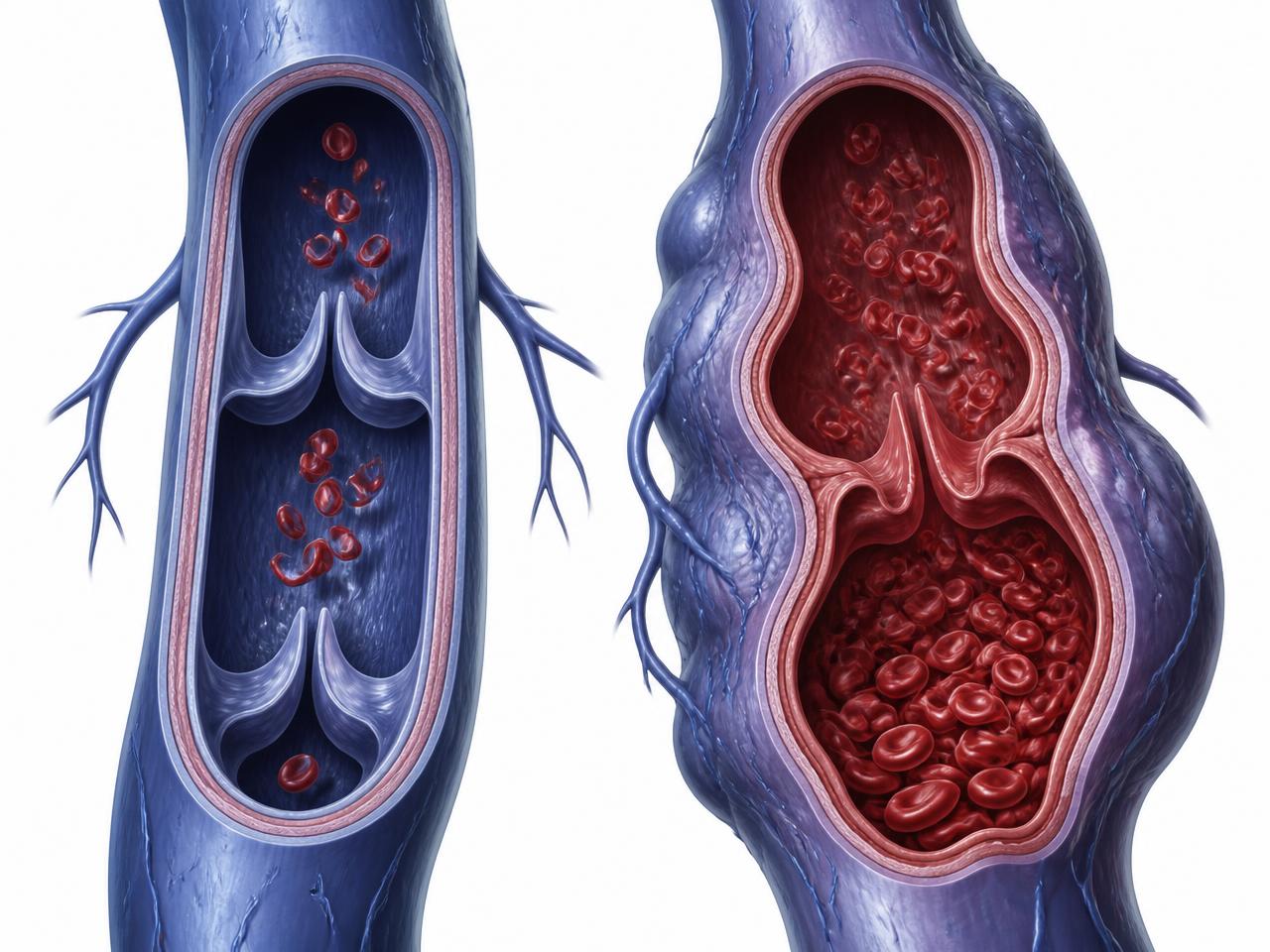
Pelvic varicose veins develop when the valves inside the ovarian veins or internal iliac vein tributaries become weak or incompetent, allowing blood to flow backward and pool within the pelvis instead of returning efficiently to the heart. Over time, the affected veins stretch and dilate, forming a congested network around the uterus and ovaries that produces the characteristic dull, heavy pelvic ache associated with pelvic congestion syndrome. In some women, these dilated veins also connect to visible varicose veins in the vulva, buttock or inner thigh, making the venous nature of the problem more apparent.
Because the underlying problem is a plumbing issue within specific, identifiable veins rather than a disease of the uterus or ovaries themselves, it follows logically that treating the diseased veins directly, rather than removing the reproductive organs around them, should be an effective and more conservative approach. This is precisely the principle behind modern ovarian vein embolization.
Why Hysterectomy Is No Longer the Default Answer
Hysterectomy, particularly when combined with removal of the ovaries, was historically used for severe pelvic congestion syndrome partly because it eliminates the pelvic organs around which the congested veins cluster, and some women do experience symptom improvement afterward. However, this approach carries significant drawbacks: it is major surgery with a longer recovery period, it permanently ends fertility, and when the ovaries are also removed it induces surgical menopause, with associated hot flashes, bone density loss and cardiovascular considerations that a woman may otherwise not have faced for many years.
Importantly, hysterectomy does not always resolve pelvic congestion syndrome, because the ovarian and internal iliac veins themselves are not removed during a standard hysterectomy, and if these veins remain dilated and incompetent, pelvic pain can persist even after the uterus is gone. This has been an important driver behind the shift toward vein-directed treatment as the more logical first-line approach for women whose pain is genuinely due to venous incompetence rather than a coexisting condition requiring surgery on the uterus itself.
Conservative Measures: A Reasonable First Step
For women with mild symptoms, conservative management is a reasonable starting point. This typically includes wearing supportive compression garments designed for the pelvis and lower abdomen, avoiding prolonged standing, maintaining a healthy body weight to reduce intra-abdominal pressure, and using anti-inflammatory pain relief during flare-ups. Some doctors also use hormonal medications to reduce ovarian venous congestion temporarily.
- Compression garments for pelvic and lower abdominal support
- Avoiding long periods of standing without movement
- Weight management to reduce intra-abdominal pressure
- Regular physical activity to promote venous return
- Anti-inflammatory medication during symptomatic flare-ups
- Hormonal medication in selected cases, generally as a temporary measure
These measures can meaningfully reduce day-to-day discomfort, but they do not correct the underlying incompetent valves, so symptoms typically persist or recur once the measures are relaxed. For women with moderate to severe symptoms, or those whose quality of life continues to be significantly affected despite conservative care, a more definitive vein-directed treatment is usually the next step.
Ovarian Vein Embolization: The Non-Surgical Definitive Treatment
Ovarian vein embolization is a minimally invasive, image-guided procedure that has become the established first-line definitive treatment for pelvic congestion syndrome in women who do not respond adequately to conservative measures. It is performed by a vascular or interventional surgeon under local anaesthesia with sedation, meaning general anaesthesia and a surgical incision are avoided entirely. A thin catheter is introduced through a small puncture, usually in the neck or groin, and guided under X-ray guidance directly into the affected ovarian vein or internal iliac vein tributaries.
Once the abnormal, refluxing veins have been mapped using contrast venography, the treating doctor deploys small metal coils, a sclerosing agent, or a combination of both, to permanently close off the diseased vein from the inside. This stops blood from pooling within the congested pelvic venous network while leaving the uterus, ovaries and fertility completely intact, since only the abnormal draining vein is closed, not the organ it once drained.
The procedure usually takes between forty-five minutes and around two hours, depending on how many veins need treatment, and most women are able to go home the same day or after a single overnight stay for observation. Recovery is considerably faster than after any form of surgery involving the uterus or ovaries, with most women resuming light daily activity within two to three days and returning to full normal activity, including exercise, within one to two weeks.
- No abdominal incision, general anaesthesia usually avoided
- Uterus, ovaries and fertility preserved
- Same-day or overnight hospital stay
- Return to light activity within two to three days for most women
- Return to full normal activity generally within one to two weeks
- Can be repeated or extended to additional veins if needed at a later date
How Effective Is the Non-Surgical Approach
Across clinical experience worldwide, ovarian vein embolization is generally reported to provide meaningful, lasting symptom relief in approximately seventy-five to eighty-five percent of appropriately selected women, with most experiencing a substantial reduction in pelvic pain and heaviness within a few weeks to a few months of the procedure. This success rate compares favourably with the results historically reported for hysterectomy in this specific indication, while avoiding the loss of fertility and the major surgical recovery associated with an operation on the uterus.
It is worth being realistic that embolization does not help every woman equally. A minority may experience only partial relief, particularly when another pelvic condition such as endometriosis or adenomyosis is also present and contributing independently to the pain, and a small number of women may need a second procedure if a previously unnoticed or newly developed refluxing vein becomes symptomatic later. This is why thorough pre-procedure imaging and honest counselling about realistic expectations are essential parts of good care.
Who Is a Good Candidate for Embolization
Women with imaging-confirmed pelvic venous incompetence, symptoms consistent with pelvic congestion syndrome, and pain that has not adequately responded to conservative measures are generally good candidates for ovarian vein embolization. It is particularly attractive for women who wish to preserve fertility or simply prefer to avoid major surgery, and for women in whom other gynaecological causes of pelvic pain have already been reasonably excluded or specifically treated.
- Confirmed pelvic venous incompetence on Doppler ultrasound, CT venography or MR venography
- Persistent pelvic pain despite conservative measures
- Desire to preserve the uterus, ovaries and fertility
- Absence of an untreated, more urgent gynaecological condition
- Willingness to undergo a minimally invasive, image-guided procedure
Women who have already completed their families are equally good candidates and often experience the same benefit; preservation of fertility is simply one of several advantages of the approach rather than the only reason to choose it.
Risks to Be Aware Of
Ovarian vein embolization is generally safe, but as with any procedure, some risks exist. These include bruising or mild discomfort at the catheter insertion site, transient worsening of pelvic pain in the first few days as the treated veins settle, a small risk of coil migration, and a low risk of an untreated or newly developed vein causing recurrent symptoms later, which can usually be addressed with a further targeted procedure. Serious complications are uncommon when the procedure is performed by an experienced vascular or interventional specialist in a properly equipped facility.
Indicative Costs in Hyderabad
As a broad, indicative guide only, the diagnostic pathway leading up to a decision on treatment, including an initial vascular consultation, transvaginal Doppler ultrasound and, where required, CT or MR venography, may together range from approximately INR 10,000 to 25,000 in Hyderabad, depending on the hospital and imaging protocol used. Ovarian vein embolization itself, including hospital stay, catheters, coils or sclerosant and procedural fees, generally falls in the range of INR 1,50,000 to 3,50,000, varying with the number of veins treated and the specific materials required. Costs should always be confirmed directly with the treating hospital, since insurance coverage and individual case complexity can significantly change the final figure.
Making the Decision: A Balanced View
Choosing between conservative management, embolization and, in rare and carefully selected cases, surgery, should be a shared decision between the patient and her treating doctors, ideally involving both a gynaecologist and a vascular surgeon experienced in pelvic venous disease. For the great majority of women with pelvic congestion syndrome, minimally invasive ovarian vein embolization offers an effective, organ-preserving, non-surgical solution that avoids the major recovery, fertility loss and hormonal consequences associated with hysterectomy, while achieving comparable or better rates of meaningful pain relief.
If you or a loved one is struggling with unexplained pelvic pain that has not responded to standard gynaecological treatment, consider a consultation at the Pelvic Vein Clinic (/pelvic-vein-clinic), where a focused, vein-specific evaluation is offered alongside routine gynaecological and general surgical assessment. Dr. Pritee Sharma's work in this field was featured in a Times of India article on pelvic congestion syndrome, which helped bring wider public and physician awareness to this frequently missed cause of chronic pelvic pain in Indian women.
Readers who also have visible varicose veins in the legs, or a family history of venous disease, may find it useful to read more about lower-limb venous disease on the varicose veins treatment page (/services/varicose-veins-treatment-hyderabad), since pelvic and leg venous insufficiency frequently coexist and share a common underlying tendency toward weak vein walls and valves. More about Dr. Pritee Sharma's training, credentials and approach to vascular care is available on the about page (/about-dr-pritee-sharma), and appointments or queries can be directed through the contact page (/contact).
Final Thoughts
The short answer to whether pelvic varicose veins can be treated without surgery is yes, in the great majority of cases, through minimally invasive ovarian vein embolization performed by an experienced vascular specialist. Women experiencing chronic pelvic pain that may be related to pelvic varicose veins should feel encouraged to seek a dedicated vascular opinion before assuming that major surgery is their only option, since a targeted, organ-preserving procedure is now the established standard of care for this condition.
Comparing Embolization and Hysterectomy Side by Side
When women are counselled about their options, it is helpful to place embolization and hysterectomy side by side rather than treating one as automatically superior in every situation. Embolization preserves the uterus and ovaries, is performed under local anaesthesia with sedation, typically involves a same-day or overnight stay, and allows return to normal activity within one to two weeks, whereas hysterectomy is major surgery performed under general or spinal anaesthesia, usually requires several days of hospital stay, and involves a recovery period of four to six weeks or longer.
Hysterectomy does carry a role in situations where there is a separate, definite indication for removing the uterus, such as large symptomatic fibroids or significant adenomyosis that itself requires surgical treatment, and in such cases addressing both the gynaecological condition and any coexisting venous incompetence, sometimes through a combined or staged approach, may be appropriate. What has changed is that hysterectomy is no longer recommended as a default, first-line treatment purely for pelvic congestion syndrome when the uterus and ovaries themselves are otherwise structurally normal.
What the Recovery Period Actually Feels Like
In the first one to two days after ovarian vein embolization, it is common to feel mild cramping or a dull ache in the lower abdomen, similar to menstrual discomfort, along with some tenderness at the catheter access site in the neck or groin. Most women manage this comfortably with simple pain relief medication and find that discomfort steadily reduces over the following few days. Light walking is usually encouraged from the day after the procedure to support good circulation, while heavier exercise, swimming and sexual intercourse are generally avoided for a short period, commonly around one to two weeks, on the treating doctor's specific advice.
By the two to four week mark, most women report a noticeable reduction in the pelvic heaviness and aching that brought them to treatment in the first place, although the full benefit of the procedure may continue to build gradually over two to three months as the treated veins settle completely and pressure within the pelvic venous system normalises.
Questions Worth Asking Before Choosing a Treatment Path
- How many ovarian vein embolization procedures has the treating doctor performed personally
- What imaging has been done to confirm which specific veins are incompetent
- Is there any coexisting gynaecological condition that also needs to be addressed
- What is the expected recovery timeline for my specific situation
- What happens if symptoms do not fully resolve after the first procedure
- What are the indicative costs, and what does the hospital package include
- Varicose Veins Treatment in Hyderabad
- Peripheral Artery Disease Treatment
- Diabetic Foot Care Specialist
- DVT Treatment in Hyderabad
- Angioplasty for Blocked Leg Arteries
- Carotid Surgery — Stroke Prevention
- Venous Stenting for Chronic Leg Swelling
- AV Fistula Creation for Dialysis
- EVAR — Endovascular Aneurysm Repair
- TEVAR — Thoracic Aortic Repair
- About Dr. Pritee Sharma
- Vascular surgery FAQs