Prevention of Deep Vein Thrombosis (DVT)
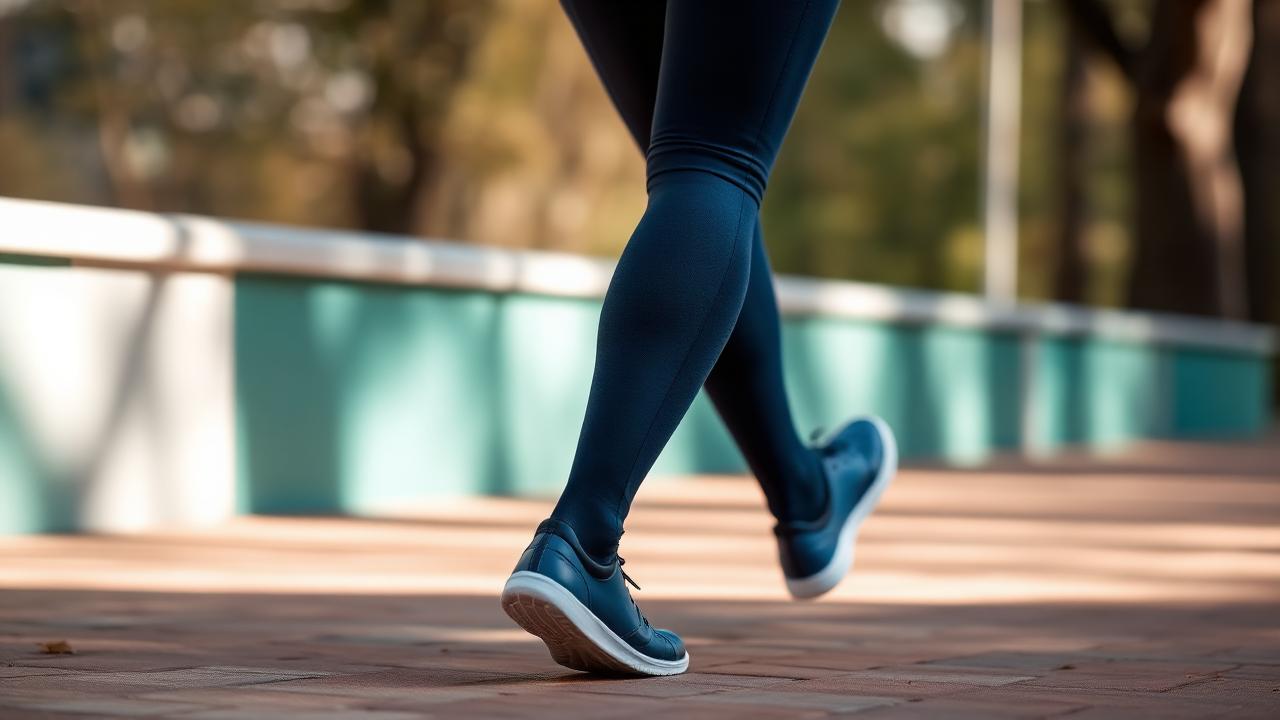
Travel, post-surgery and lifestyle strategies to reduce your DVT risk — based on current vascular guidelines.
Deep Vein Thrombosis (DVT) is a blood clot that forms in the deep veins of the legs. If a fragment breaks off and travels to the lungs (pulmonary embolism), it can be life-threatening. The encouraging fact: most DVT events are preventable with simple, evidence-based steps.
Who is at higher risk?
- Recent major surgery, especially orthopaedic or abdominal.
- Prolonged immobility — long flights, road trips, or bed rest.
- Pregnancy and the first six weeks after delivery.
- Hormonal contraceptive or hormone replacement therapy use.
- Active cancer or recent chemotherapy.
- Obesity (BMI over 30) and smoking.
- Inherited clotting disorders or a personal/family history of DVT.
Travel strategies (flights over 4 hours)
- Walk the aisle every 60–90 minutes; perform calf pumps while seated.
- Stay well hydrated — water, not alcohol or caffeine.
- Wear graduated compression stockings (15–20 mmHg) on the day of travel.
- Avoid sleeping pills that prevent natural position changes.
- If you have multiple risk factors, discuss prophylactic blood thinners with your doctor.
After surgery
Most hospitals follow standard DVT prophylaxis protocols including early mobilisation, intermittent pneumatic compression and low-dose heparin. Continue compression stockings as advised at discharge and report any new calf pain, swelling or chest tightness immediately.
Lifestyle measures that lower lifetime risk
- Maintain a healthy weight and stay active — 30 minutes of brisk walking, five days a week.
- Quit smoking; nicotine damages the vein lining.
- Stay hydrated, especially in Hyderabad's dry summer months.
- Treat varicose veins early — they aren't a direct DVT cause but signal venous insufficiency.
- If you have a strong family history, ask about thrombophilia screening.
Recognising a DVT
Sudden swelling of one calf, deep aching pain, warmth or a bluish discolouration — especially after travel or surgery — needs same-day evaluation with a duplex ultrasound. Acting within 24 hours dramatically reduces the risk of long-term complications.
- Varicose Veins Treatment in Hyderabad
- Peripheral Artery Disease Treatment
- Diabetic Foot Care Specialist
- DVT Treatment in Hyderabad
- Angioplasty for Blocked Leg Arteries
- Carotid Surgery — Stroke Prevention
- Venous Stenting for Chronic Leg Swelling
- AV Fistula Creation for Dialysis
- EVAR — Endovascular Aneurysm Repair
- TEVAR — Thoracic Aortic Repair
- About Dr. Pritee Sharma
- Vascular surgery FAQs