How to Prevent Amputation in Diabetes — Limb Salvage in Hyderabad
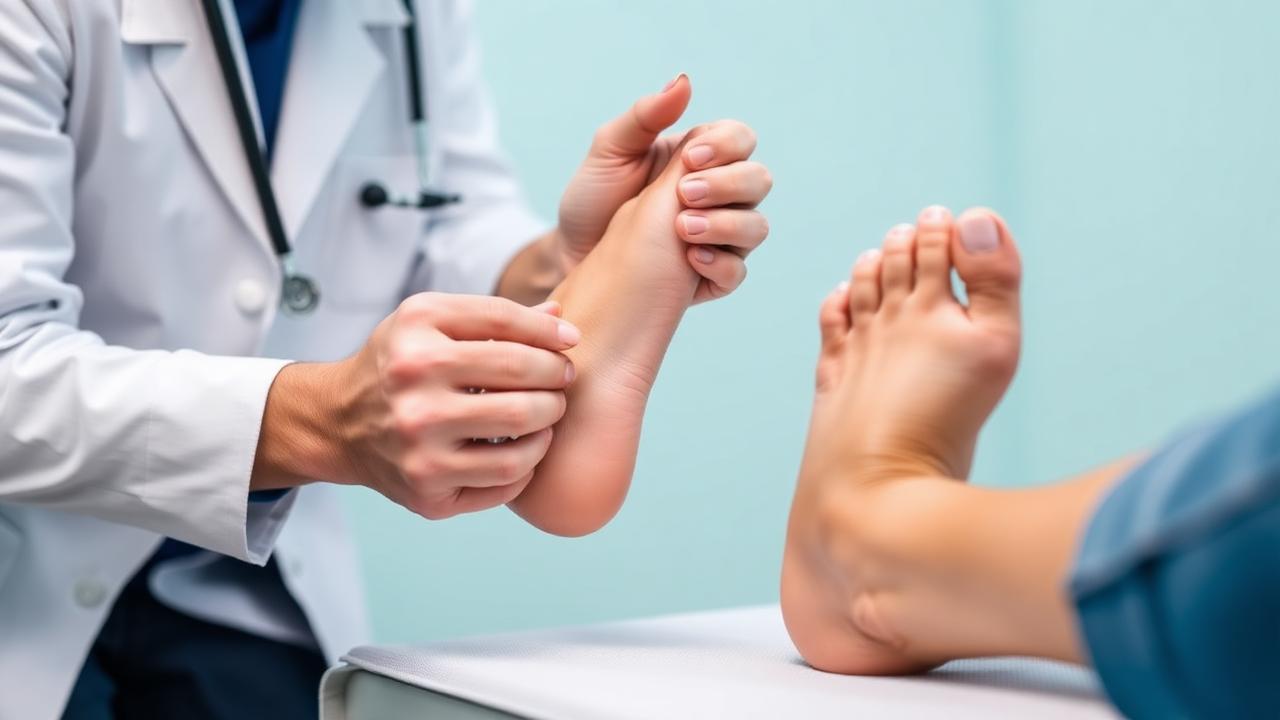
Most diabetic amputations are preventable with early vascular assessment, daily foot care and timely revascularisation. Here's the playbook.
India performs an estimated 100,000 diabetic foot amputations every year — and global data suggests up to 85% of them are preventable. Three things drive almost every amputation: undetected peripheral artery disease, loss of foot sensation (neuropathy), and delayed referral to a vascular surgeon. Address all three and the foot is almost always saved.
Daily habits that protect your feet
- Inspect both feet every morning — soles, between toes, heels — using a mirror if needed.
- Wash with lukewarm water, dry thoroughly between toes, and apply moisturiser to the heels.
- Never walk barefoot, even at home. Wear well-fitting closed shoes; check inside for stones or seams before wearing.
- Cut toenails straight across; never trim corns or calluses yourself.
- Quit smoking — it doubles the risk of amputation in diabetes.
- Keep HbA1c below 7%, blood pressure under 130/80 and LDL cholesterol below 70 mg/dL.
Annual vascular check-up — non-negotiable
Every diabetic over 50, or anyone with diabetes for more than 10 years, should have an annual ABI, monofilament neuropathy test and pedal-pulse check. Detecting silent PAD early — before a wound appears — is the single most powerful amputation-prevention step.
Warning signs that need urgent vascular review
- Any wound, blister or ulcer below the knee.
- A toe turning black, dusky or cold.
- Sudden new foot pain at rest, especially at night.
- A swollen, red, warm foot in a diabetic — even without injury.
- Spreading redness or smell from a foot wound.
How limb salvage works
When PAD is found, modern below-knee angioplasty — including pedal-loop and tibial artery interventions — can restore direct blood flow to the foot through a pinhole. Combined with sharp debridement, negative-pressure wound therapy, antibiotic-guided culture and custom offloading footwear, even severe ulcers heal in 8–12 weeks. Dr. Pritee Sharma's diabetic foot programme has helped hundreds of patients across Telangana avoid major amputation.
If another doctor has recommended amputation
Always seek a vascular second opinion before agreeing to a major amputation. Many limbs declared 'beyond salvage' can be saved with revascularisation. Bring your scans, blood reports and a list of medications — a same-week opinion is usually possible.
- Varicose Veins Treatment in Hyderabad
- Peripheral Artery Disease Treatment
- Diabetic Foot Care Specialist
- DVT Treatment in Hyderabad
- Angioplasty for Blocked Leg Arteries
- Carotid Surgery — Stroke Prevention
- Venous Stenting for Chronic Leg Swelling
- AV Fistula Creation for Dialysis
- EVAR — Endovascular Aneurysm Repair
- TEVAR — Thoracic Aortic Repair
- About Dr. Pritee Sharma
- Vascular surgery FAQs